A Deep Dive into the Mechanisms of DC DC Converter Technology
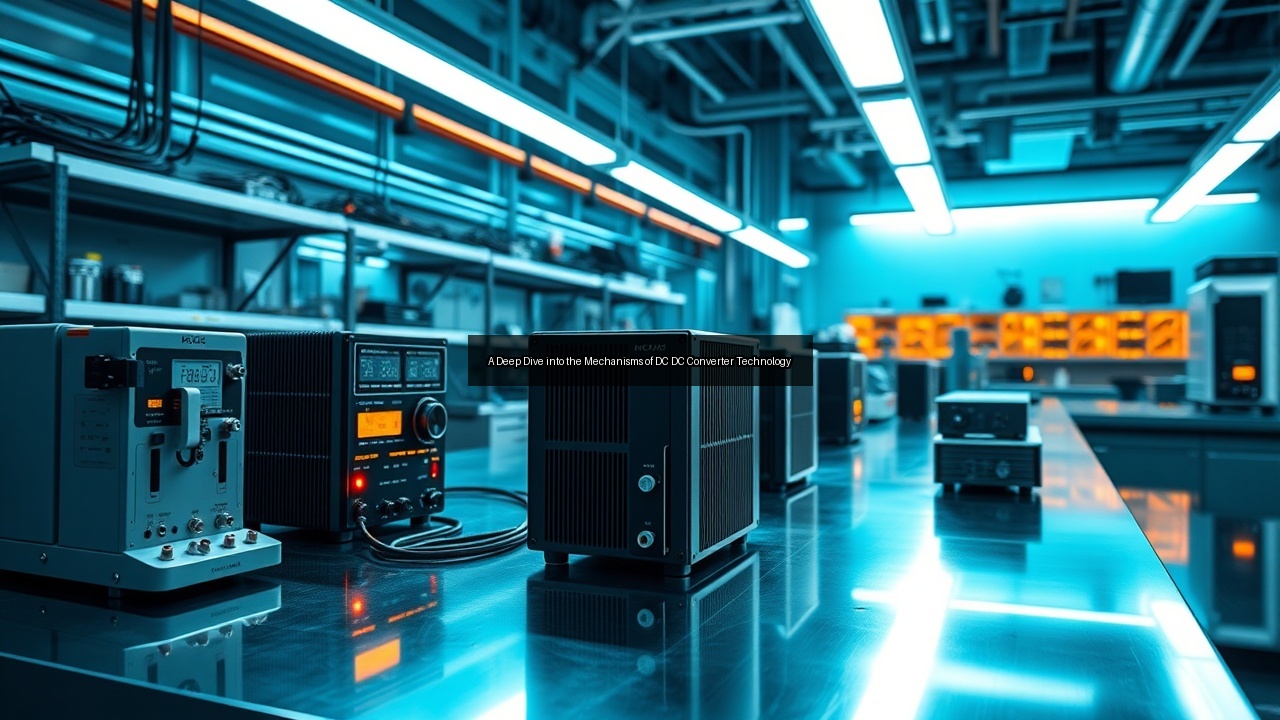
Understanding DC DC Converters: Basics and Types
What is a DC to DC Converter?
A DC to DC converter is an essential electrical device that transforms direct current (DC) from one voltage level to another. These converters play a pivotal role in numerous applications where different voltage levels are required. For instance, a typical battery-operated device may require a lower voltage to operate efficiently, while other components might require higher voltages. The converter adjusts these voltage levels seamlessly, ensuring optimal performance and safety. Essentially, DC to DC converters are integral in maintaining voltage stability in various electronic applications, making them indispensable in modern technology.
Types of DC DC Converters
DC DC converters fall into several categories, each designed to handle specific voltage conversion tasks. The primary types include buck converters, boost converters, and buck-boost converters. Buck converters step down voltage, making them ideal for applications requiring lower voltage from a higher input. Boost converters do the opposite, increasing voltage levels for devices needing more power. Buck-boost converters combine both functions, allowing for versatile voltage adjustment. Each type has unique characteristics suited for different applications, from powering handheld devices to supplying energy in industrial settings. Understanding these types helps in selecting the right converter for specific needs.
Applications of DC DC Converters in Power Supplies
DC DC converters find extensive use in various applications, particularly in power supplies. These devices ensure that electronic components receive the correct voltage, which is crucial for their functionality. Common applications include portable electronics, electric vehicles, and renewable energy systems, such as solar panels. In portable devices, DC to DC converters manage battery power efficiently, extending the device's lifespan. In electric vehicles, they regulate the power supply for different systems, ensuring smooth operation. Furthermore, renewable energy systems utilize these converters to optimize voltage levels from solar panels and wind turbines, making them a vital component in modern energy solutions.
The Mechanisms Behind DC DC Converter Technology
How Switching Regulators Operate
Switching regulators are a fundamental aspect of DC DC converter technology. Unlike linear regulators, which dissipate excess voltage as heat, switching regulators use high-frequency switching to control voltage levels efficiently. This method results in less energy loss, leading to higher efficiency levels. The switching process involves rapidly turning the power switch on and off, allowing energy to be stored in inductors or capacitors before being released at the desired voltage. This operation not only conserves energy but also minimizes heat generation, making switching regulators ideal for applications requiring compact and efficient power solutions. Understanding this mechanism sheds light on the advantages of integrating switching regulators into DC DC converters.
The Role of Buck Converters in Voltage Regulation
Buck converters stand out in the realm of DC DC converters due to their effectiveness in stepping down voltage levels. These converters utilize a combination of inductors, diodes, and capacitors to achieve efficient voltage regulation. When the switch in a buck converter closes, current flows through the inductor, building magnetic energy. When the switch opens, the inductor releases stored energy, providing a lower voltage output. The ability to maintain high efficiency and low heat generation makes buck converters suitable for battery-powered devices and applications where space and power efficiency are paramount. This essential role in voltage regulation highlights their importance in modern electronics.
High-Voltage Conversion Techniques
High-voltage conversion techniques in DC DC converters enable the transformation of low-voltage inputs into significantly higher outputs. This process is crucial in various applications, particularly in industrial systems and telecommunications. Techniques such as flyback converters and push-pull converters excel in achieving high-voltage outputs. Flyback converters employ a transformer to store energy, allowing for voltage multiplication when energy is released. Push-pull converters utilize two switches to alternate the current flow through a transformer, effectively doubling the output voltage. These high-voltage conversion methods enhance the versatility of DC to DC converters, making them suitable for powering devices that require substantial voltage levels.
Design Considerations and Challenges in DC DC Converters
Complexity in Circuit Design
Designing DC DC converters involves navigating a landscape of complexities, particularly in circuit design. Engineers must consider various parameters, such as input and output voltage levels, load requirements, and efficiency targets. The interactions between components like inductors, capacitors, and switches add layers of complexity that require careful planning and testing. Moreover, achieving the desired performance often necessitates iterative design processes, where modifications and simulations refine the circuit. Balancing performance with size constraints poses additional challenges, as compact designs often lead to increased thermal issues. Addressing these complexities is essential for creating efficient and reliable DC DC converters.
Space Optimization in Power Bricks
Space optimization plays a critical role in the design of power bricks, which house DC DC converters. The demand for smaller, more efficient power supplies drives engineers to create compact designs without sacrificing performance. This challenge involves selecting the right components, such as miniaturized inductors and capacitors, that maximize efficiency while minimizing footprint. Additionally, integrating thermal management solutions is vital to prevent overheating in confined spaces. Designers often employ advanced materials and layouts to enhance thermal dissipation and ensure reliable operation. Effectively optimizing space in power bricks not only meets consumer demands but also contributes to the overall efficiency of electronic devices.
Managing Efficiency and Heat Dissipation
Efficiency and heat dissipation remain significant challenges in the realm of DC DC converters. High efficiency is crucial for maximizing performance and extending the lifespan of electronic devices. However, as power levels increase, so does the generation of heat, which can adversely affect component reliability. Engineers must implement strategies to manage this heat, such as incorporating heat sinks, using thermal interface materials, and designing airflow pathways. Additionally, selecting components with lower on-resistance and high thermal conductivity can significantly improve efficiency and reduce heat generation. Balancing these factors is essential for developing robust and efficient DC to DC converters that meet the demands of modern applications.
Future Trends in DC DC Converter Technology
Innovations in DC to DC Converter Designs
Innovations in DC to DC converter designs continue to reshape the landscape of power electronics. Emerging technologies focus on enhancing efficiency, reducing size, and improving power density. For instance, the integration of digital control techniques allows for more precise regulation of output voltages, adapting to varying load conditions seamlessly. Additionally, advancements in semiconductor materials, such as wide bandgap semiconductors, enable higher efficiency at elevated temperatures, which is crucial for compact designs. These innovations not only boost performance but also open doors for new applications in electric vehicles and renewable energy systems, solidifying the future of DC to DC converters.
The Impact of Inverters and AC-DC Converters
Inverters and AC-DC converters significantly influence the development and application of DC DC converters. As the demand for renewable energy systems grows, the interplay between these technologies becomes critical. Inverters convert DC power from sources like solar panels into AC power, while AC-DC converters perform the opposite function. This synergy allows for efficient energy management in hybrid systems. Moreover, advancements in inverter technology can enhance the performance of DC to DC converters, leading to improved overall system efficiencies. Understanding the relationship between these technologies is vital for optimizing energy solutions in the evolving landscape of power electronics.
The Growing Market for Smart Chargers and Power Supplies
The market for smart chargers and power supplies is expanding rapidly, driven by the increasing demand for efficient and intelligent energy solutions. Smart chargers, which utilize advanced DC DC converters, offer features such as adaptive charging, voltage regulation, and communication capabilities to optimize battery performance. These innovations cater to consumer electronics, electric vehicles, and renewable energy systems. As technology evolves, the integration of smart features into DC to DC converters will enhance user experience and energy efficiency. This growing market presents opportunities for manufacturers to innovate and provide solutions that meet the diverse needs of modern consumers and industries.