Unleashing the Potential of PEEK Machined Parts in Engineering Applications
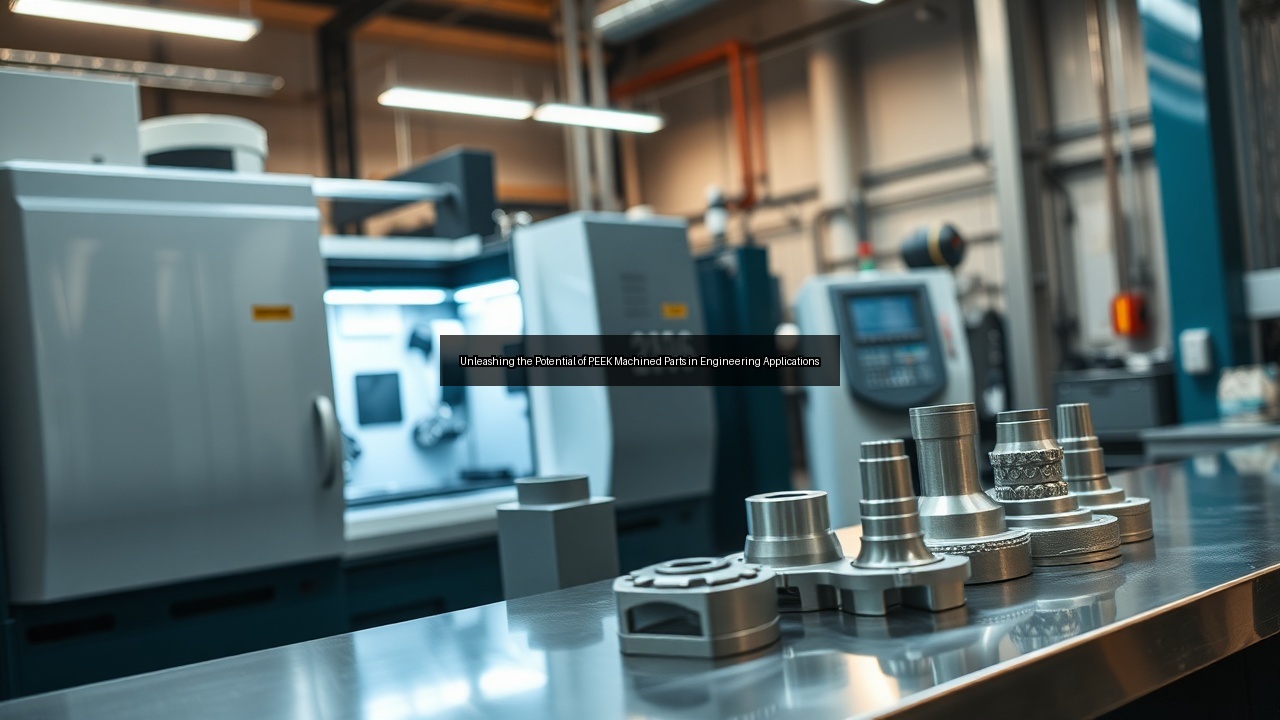
Understanding PEEK and Its Advantages in Engineering
What is PEEK?
Polyether ether ketone, commonly known as PEEK, is a high-performance engineering plastic that boasts exceptional thermal and mechanical properties. This semi-crystalline thermoplastic stands out in the world of materials due to its ability to withstand high temperatures, harsh chemicals, and mechanical stress. PEEK finds use in demanding applications across industries, including aerospace, automotive, and medical. Its unique structure contributes to its durability, making it a popular choice for manufacturing machined components. The inherent properties of PEEK also make it an excellent candidate for producing complex geometries through advanced machining techniques.
Key Properties of Polyether Ether Ketone
PEEK exhibits a range of properties that position it as a leading choice among engineering plastics. It has a high melting point of around 343°C (650°F), which allows it to maintain stability under extreme conditions. The material showcases remarkable chemical resistance, making it impervious to solvents, acids, and bases, which is critical in environments where exposure to aggressive substances occurs. Additionally, PEEK features low moisture absorption, excellent wear resistance, and a high tensile strength. These attributes ensure that PEEK machined parts perform reliably, even in the most challenging applications, thereby enhancing the overall lifecycle of engineered products.
Why Choose PEEK Over Other Plastics?
Choosing PEEK over other plastics often comes down to its superior performance characteristics. While many engineering plastics may suffice for standard applications, few can match PEEK's ability to endure high temperatures and corrosive environments. Traditional plastics may deform or lose their structural integrity when exposed to extreme conditions, whereas PEEK retains its mechanical properties. Moreover, with its low thermal expansion coefficient, machining in PEEK PEEK provides excellent dimensional stability, crucial for precision applications. The combination of these factors makes PEEK machined parts an ideal choice for industries requiring reliability and performance, such as aerospace and medical devices.
Machining Processes for PEEK Components
CNC Machining: A Comprehensive Overview
CNC machining stands at the forefront of manufacturing processes for creating PEEK components. This method utilizes computer-controlled machines to perform precise cutting, drilling, and milling operations on PEEK material. The accuracy and repeatability offered by CNC machining make it particularly suitable for producing complex machined PEEK parts. Operators can program the machines to execute intricate designs that would be challenging to achieve through manual processes. Furthermore, CNC machining ensures a high level of surface finish and dimensional tolerance, enhancing the overall quality of the final product. This technology allows manufacturers to create parts that meet stringent engineering specifications while optimizing production efficiency.
Techniques for CNC Milling PEEK Parts
CNC milling is a widely utilized technique for machining PEEK parts, enabling the creation of components with intricate geometries and precise dimensions. Key to successful CNC milling of PEEK is selecting the right tool and cutting parameters. High-speed steel (HSS) and carbide tools are commonly used due to their durability and sharpness, which reduce the risk of tool wear. Additionally, maintaining optimal feed rates and cutting speeds is crucial to prevent overheating and ensure a smooth machining process. Proper coolant application can also mitigate heat buildup, preserving the integrity of the PEEK material. By leveraging these techniques, manufacturers can produce high-quality machined PEEK parts that meet specific engineering demands.
Injection Molding vs. CNC Machining for PEEK
When considering the production of PEEK components, manufacturers often weigh the merits of injection molding against CNC machining. Injection molding allows for high-volume production of complex shapes and is generally more cost-effective for large runs. However, CNC machining excels in producing low to medium volumes of precision parts with tight tolerances. Machined PEEK parts benefit from the ability to achieve specific surface finishes and detailed features, which may not be feasible with injection molding. Ultimately, the choice between injection molding and CNC machining depends on the project requirements, including production volume, part complexity, and budget considerations.
Applications and Performance of PEEK Machined Parts
Critical Applications in Engineering
PEEK machined parts have carved a niche in various engineering applications due to their outstanding performance characteristics. In the aerospace sector, PEEK components are integral to manufacturing lightweight yet durable parts that withstand intense environmental conditions. The medical industry also relies on PEEK for creating implants and surgical instruments, as the material is biocompatible and resistant to sterilization processes. In automotive applications, PEEK's excellent wear and chemical resistance make it ideal for components like seals, bearings, and valve seats. These critical applications demonstrate PEEK's versatility and reliability, underscoring its importance in modern engineering.
Valve and Fixture Design with PEEK
PEEK's properties make it an excellent choice for valve and fixture design. Its high strength and chemical resistance allow for the creation of valves that can withstand corrosive fluids without degrading. PEEK machined parts can be engineered to precise dimensions, ensuring a perfect fit and optimal performance in fluid control systems. Fixtures made from PEEK provide excellent stability and durability, essential for high-precision applications. This adaptability in valve and fixture design ensures that engineers can create efficient, long-lasting solutions that enhance system performance across various industries.
Surface Finish Considerations and Tolerance in PEEK Parts
Achieving the right surface finish and tolerance is critical when machining PEEK parts. The surface finish affects not only the aesthetic quality but also the functional performance of the part. A smoother surface can reduce friction and wear, which is especially important in moving components. When machining PEEK, operators must select the appropriate cutting tools and parameters to achieve the desired finish while maintaining tight tolerances. Advanced CNC techniques enable manufacturers to deliver PEEK machined parts that fit within the stringent specifications required for high-performance applications, ensuring consistency and reliability in every component produced.
Cost-Effectiveness and Tool Wear in PEEK Machining
Analyzing the Cost of Machining PEEK
The cost of machining PEEK components can be higher than that of traditional plastics due to the material's unique properties and machining requirements. While initial costs may seem daunting, the long-term benefits often justify the investment. PEEK machined parts typically last longer and perform better than those made from other materials, reducing the need for frequent replacements. Additionally, the precision of CNC machining minimizes material waste, further enhancing cost-effectiveness. When evaluating the total cost of ownership, engineers must consider the lifecycle benefits of using PEEK in demanding applications, making it a smart choice for many projects.
Factors Affecting Tool Wear in PEEK Machining
Tool wear is an important consideration when machining PEEK, as it directly impacts production efficiency and component quality. Several factors contribute to tool wear, including cutting speed, feed rate, and tool material. High cutting speeds can generate excessive heat, leading to premature tool failure. Selecting the right tooling material, such as carbide, can mitigate wear and extend tool life. Additionally, incorporating cooling methods during machining can help manage heat levels, preserving both tool integrity and the quality of the machined PEEK parts. By understanding and controlling these factors, manufacturers can optimize machining processes for enhanced efficiency.
Optimizing Machining Processes for Efficiency
Optimizing machining processes for PEEK involves balancing speed, precision, and tool longevity. Manufacturers can achieve this by analyzing and fine-tuning machining parameters based on specific project requirements. Implementing advanced CNC programming techniques and utilizing simulation software can help identify the most efficient approaches for machining PEEK. Regular maintenance of CNC machines also ensures consistent performance and accuracy. By focusing on these optimization strategies, engineers can reduce production times, minimize costs, and maintain high-quality standards for PEEK machined parts, ultimately driving greater productivity in manufacturing operations.